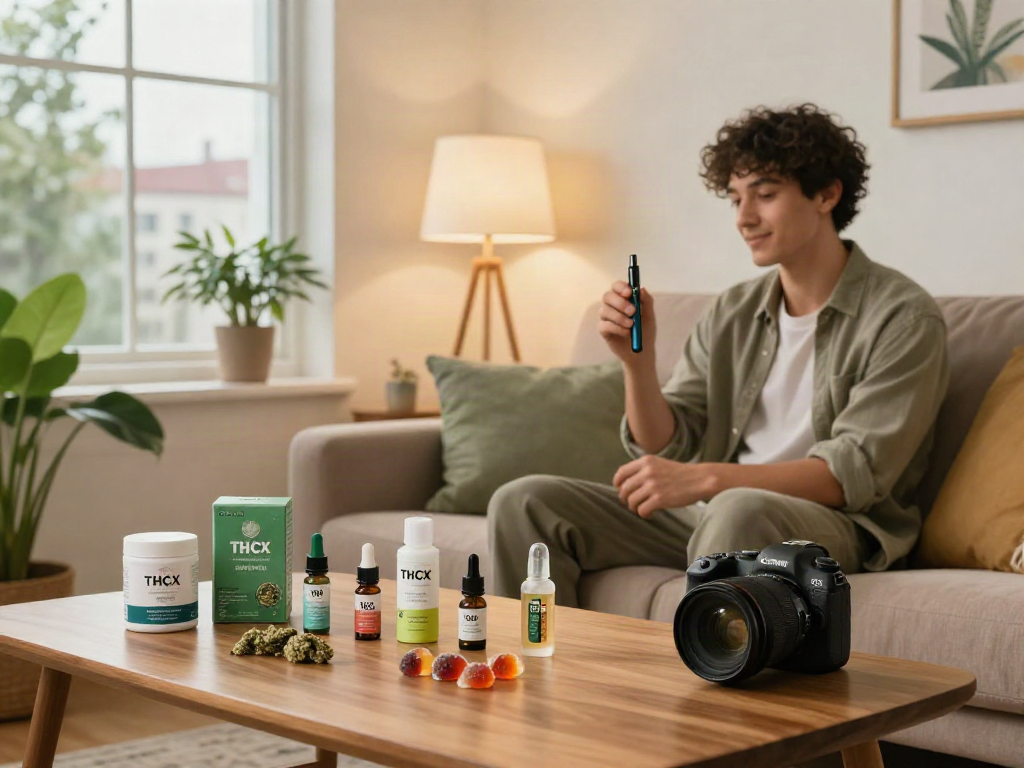
Understanding CBD and Its Benefits
In recent years, the cannabinoid known as CBD (cannabidiol) has emerged as a popular wellness supplement, capturing the attention of individuals seeking natural remedies for a variety of health concerns. CBD, a non-psychoactive compound derived from hemp, interacts with the body’s endocannabinoid system (ECS), a complex network responsible for maintaining homeostasis and overall balance. As more research is conducted, the potential benefits of CBD are becoming clearer, shedding light on its role in promoting wellness.
When exploring options, best weed delivery service offers a comprehensive selection of products that may meet your needs, ranging from those designed for relaxation to those focused on pain management.
What is CBD and How Does It Work?
CBD is one of over a hundred cannabinoids found in the cannabis plant, particularly in industrial hemp. Unlike THC (tetrahydrocannabinol), the psychoactive compound that produces a ‘high,’ CBD is renowned for its therapeutic potential without the accompanying euphoric effects. By binding to cannabinoid receptors in the ECS, CBD may enhance the body’s natural processes related to mood, inflammation, pain perception, and anxiety.
Health Benefits of CBD: Evidence and Insights
Scientific research, while still in its infancy, has begun to uncover a range of health benefits associated with CBD use. Preliminary studies indicate that CBD may be effective in managing conditions such as chronic pain, anxiety, and epilepsy. A review of existing literature published in 2021 noted that CBD demonstrated anti-inflammatory and analgesic properties, making it a compelling alternative for pain relief without the risk of dependency that often accompanies pharmaceutical options.
Therapeutic Applications for Different Conditions
The therapeutic applications of CBD are extensive, including:
- Anxiety and Stress Management: Emerging research suggests that CBD may help reduce anxiety, potentially providing a calming effect without sedation.
- Pain and Inflammation Reduction: CBD’s anti-inflammatory qualities may make it beneficial for individuals suffering from chronic pain or arthritis.
- Sleep Quality Improvement: For those struggling with insomnia or sleep disturbances, CBD may enhance overall sleep quality and duration.
- Post-Workout Recovery: Athletes and fitness enthusiasts often turn to CBD for its potential in reducing exercise-induced inflammation and promoting recovery.
Exploring Different CBD Product Types
Oils vs. Edibles: Which CBD Product is Right for You?
CBD products come in various forms, each with unique characteristics. CBD oils and tinctures offer a fast onset of effects through sublingual absorption, typically within 15-30 minutes. Conversely, edibles like gummies or capsules are metabolized through the digestive system, which may prolong onset time but can offer longer-lasting relief.
Topicals and Vaping: Alternative Delivery Methods Explored
Topicals, including creams and balms, provide localized relief and can be effective for muscle soreness and skin irritations. On the other hand, vaping delivers CBD directly into the bloodstream via the lungs, offering rapid effects. Users should consider their preferences and lifestyle when selecting a delivery method.
Understanding Full-Spectrum, Broad-Spectrum, and Isolate
Consumers often encounter terms such as full-spectrum, broad-spectrum, and CBD isolate, indicating different formulations of CBD products:
- Full-Spectrum: Contains all cannabinoids, including potentially trace amounts of THC, thus promoting the entourage effect.
- Broad-Spectrum: Similar to full-spectrum but THC-free, retaining many of the beneficial cannabinoids and terpenes.
- Isolate: Pure CBD (99%+), lacking other cannabinoids or terpenes, ideal for those seeking to avoid THC entirely.
Dosage Guidelines and Usage Tips
How to Calculate Your Ideal CBD Dosage
Finding the right dosage of CBD can be subjective, influenced by factors such as body weight, individual biochemistry, and the condition being treated. It’s commonly recommended to start with a low dose and gradually increase until the desired effects are achieved. A general guideline is to begin with 1-6 mg of CBD per 10 pounds of body weight.
Cautions and Considerations for First-Time Users
First-time CBD users should approach dosing cautiously. By utilizing a titration method—starting low and gradually increasing—users can effectively pinpoint their personal optimal dosage. It’s also essential to consider factors like the time of day for use, as caffeine or alcohol consumption can impact CBD’s effects.
Frequency of Use: Finding Your Routine
Establishing a routine can greatly enhance the benefits derived from CBD. Many users find that consistent daily use yields the best results. Whether using CBD for pain relief, anxiety management, or sleep improvement, tracking progress can help determine the most effective duration and frequency of use.
Quality and Safety Standards in CBD
How to Read CBD Lab Reports and COAs
To ensure product safety and efficacy, consumers should request third-party lab reports or Certificates of Analysis (COAs). These documents verify potency and confirm that products are free from contaminants, including heavy metals and pesticides.
Identifying High-Quality, Lab-Tested Products
Choosing high-quality CBD products involves looking for those that meet stringent testing and labeling standards. Always opt for brands that disclose their sourcing, extraction methods, and third-party testing results to ensure transparency and trustworthiness.
Legal Compliance and Current CBD Regulations
Since the passing of the 2018 Farm Bill, hemp-derived products with less than 0.3% THC are federally legal in the United States, though state laws may vary significantly. It's essential to stay informed about local regulations regarding CBD to avoid legal complications.
Transparency and Ethical Sourcing in the CBD Industry
Understanding the Importance of Organic Sourcing
Organic sourcing plays a crucial role in ensuring the purity and effectiveness of CBD products. Hemp plants are known to absorb toxins from the soil, making organic farming methods essential for producing high-quality CBD free from pesticides and harmful chemicals.
Potential Drug Interactions: Safety First
Before using CBD, it’s important to consult with a healthcare professional, especially if you’re taking medications. CBD can potentially interact with other pharmaceuticals, particularly those metabolized by the liver, necessitating careful monitoring of dosages.
Best Practices for Storage and Shelf Life
To maintain the potency and efficacy of CBD products, store them in a cool, dark place away from direct sunlight. Most CBD products have a shelf life of 1-2 years, but it’s wise to check expiration dates for optimal freshness.
What Are the Side Effects of CBD?
While CBD is considered generally well-tolerated, some users may experience side effects, including drowsiness, dry mouth, or gastrointestinal issues. Individuals should be vigilant about their bodies’ reactions and consult with a healthcare provider if side effects persist.
How Does CBD Compare to THC?
CBD and THC are both cannabinoids found in cannabis, yet they exhibit vastly different effects. While THC is psychoactive and can produce a euphoric high, CBD primarily aids in wellness without intoxicating effects. This fundamental difference makes CBD a more approachable option for those hesitant about the psychoactive properties of cannabis.
Can CBD Help with Anxiety and Sleep Issues?
A self-reported survey indicated a growing number of users turned to CBD for relief from anxiety and sleep disturbances. Preliminary studies support its potential, with findings suggesting CBD may alleviate anxiety symptoms and improve sleep quality, though more extensive clinical studies are necessary for definitive conclusions.
Safety & Compliance
FDA Disclaimers and Proper Use
It’s essential to understand that these statements have not been evaluated by the Food and Drug Administration. Consequently, while CBD may contribute to overall wellness, it is not intended to diagnose, treat, cure, or prevent any disease. Consultation with a healthcare professional is recommended before integrating CBD products into your regimen.
Potential Side Effects and Contraindications
Users should be aware of potential side effects, including benign issues like drowsiness and dry mouth. Particular attention should be paid to drug interactions, especially for those on medications such as blood thinners or anti-seizure medications. Caution is advised for pregnant or breastfeeding individuals, as the effects of CBD on fetal development remain unclear.
Drug Testing Concerns
Full-spectrum CBD products may contain trace amounts of THC, which could result in a positive drug test. Users subject to such testing procedures should consider opting for CBD isolate or broad-spectrum products to mitigate this risk.
Age Restrictions and Responsible Use Messaging
The legal age to purchase CBD products varies by state, with many states requiring consumers to be at least 18 or 21 years old. Ensuring responsible use is paramount, especially among younger individuals.
Quality Control and Counterfeit Product Warnings
With the rapid expansion of the CBD market, consumers should remain vigilant about counterfeit products. Look for established brands with transparent practices and a strong reputation to avoid low-quality products that may not deliver the intended benefits.
Content Quality & Depth
Evidence-Based Wellness Information
As the wellness landscape continues to evolve, being well-informed about CBD and its implications on health is crucial for responsible decision-making. Balanced perspectives and scientifically backed information allow users to understand the nuances of CBD use, making informed choices based on personal health goals and needs.
Realistic Examples and User Scenarios
Consider Jane, a 35-year-old woman who has been struggling with anxiety and sleep disruptions. After experimenting with a few different CBD products, she found that a broad-spectrum CBD oil taken in the evening improved her sleep without causing morning grogginess. Such personalized experiences can guide others in their CBD journey.
Technical Concepts Made Accessible
The world of CBD and cannabinoids can seem daunting, with complex terms and varying product types. By simplifying these concepts, consumers can better understand how CBD works within the body and which products may be most beneficial for them.
Current Insights on 2026 CBD/Vaping Industry Trends
As the cannabis and wellness markets evolve, trends in CBD and vaping continue to reshape consumer preferences. For more information, online dispensary delivery offers valuable insights. Individuals are increasingly gravitating towards products that prioritize quality, transparency, and sustainable practices, signaling a growing awareness of health and wellness. Understanding these trends can assist users in making informed purchases in an ever-changing landscape.