Understanding Regular Photoperiod Seeds
When discussing cannabis cultivation, understanding the various types of seeds available is crucial. Among these, regular photoperiod seeds stand out due to their unique reproductive characteristics. Unlike feminized or autoflowering seeds, regular photoperiod seeds can develop into either male or female plants, which is essential for breeders and growers alike. This comprehensive guide explores everything you need to know about regular photoperiod seeds, their advantages, breeding potential, and best cultivation practices.
What Are Regular Photoperiod Seeds?
Regular photoperiod seeds are cannabis seeds that can produce both male and female plants. These seeds are created through traditional breeding methods without the use of feminization, which ensures a natural balance of both sexes in the resulting offspring. These seeds are prized for their potential in breeding and the ability to produce robust, genetically diverse plants that are essential for various cultivation goals.
Typically, growers choose regular seeds for their ability to preserve genetic lines and maintain a wider array of traits. This is especially beneficial for those engaged in breeding projects, as they can select for specific characteristics over generations. Regular photoperiod seeds maintain the integrity of the traditional reproduction cycle in cannabis plants, making them indispensable in the world of cannabis cultivation.
Differences Between Regular, Feminized, and Autoflower Seeds
To appreciate the value of regular photoperiod seeds, it’s essential to understand how they differ from feminized and autoflower seeds:
- Regular Seeds: Contain both male and female genetics and are ideal for breeding projects, phenotype hunting, and selecting resilient mother plants.
- Feminized Seeds: These seeds are genetically modified to produce only female plants, ensuring a seedless harvest but limiting genetic variation.
- Autoflower Seeds: These seeds flower based on age rather than light cycles, typically resulting in faster growth and harvest times, but often at the expense of yield and potency compared to regular seeds.
Understanding these differences is crucial for growers looking to maximize their cultivation strategy and achieve specific goals, whether that involves breeding or maximizing yield.
Benefits of Choosing Regular Seeds for Cultivation
Choosing regular photoperiod seeds offers several advantages:
- Genetic Diversity: Regular seeds contribute to a more varied gene pool, which can lead to plants with different traits and growth characteristics.
- Breeding Opportunities: For breeders, regular seeds offer the ability to create new hybrids and stabilize desirable traits over time.
- Natural Growth Patterns: Regular plants typically exhibit more natural growth patterns compared to feminized seeds, which can lead to better overall plant health.
- Pheno Hunting: The variety within regular seeds allows growers to hunt for unique phenotypes that may have exceptional qualities in terms of potency, aroma, and yield.
Genetics and Breeding Explained
Importance of Male and Female Plants in Breeding
In the world of cannabis cultivation, understanding the importance of both male and female plants is vital. Male plants are crucial for pollination, which is the first step in breeding new strains. They possess genetic material that can contribute to the traits of the offspring, such as flavor, potency, and growth patterns. Female plants, on the other hand, produce the flowers that contain the cannabinoids sought after by consumers. The ability to grow both sexes from regular photoperiod seeds allows breeders to experiment and select plants that meet their specific requirements.
Stable Lineage: How Regular Seeds Preserve Genetics
Genetic preservation is an essential aspect of cannabis cultivation. Regular seeds allow for the maintenance of stable lineages which can be significant for future breeding projects. By using regular seeds, breeders can maintain genetic health and diversity, ensuring that desirable traits do not diminish over time. This stability is particularly important when aiming to produce consistent results across generations.
Phenotype Hunting and Its Advantages
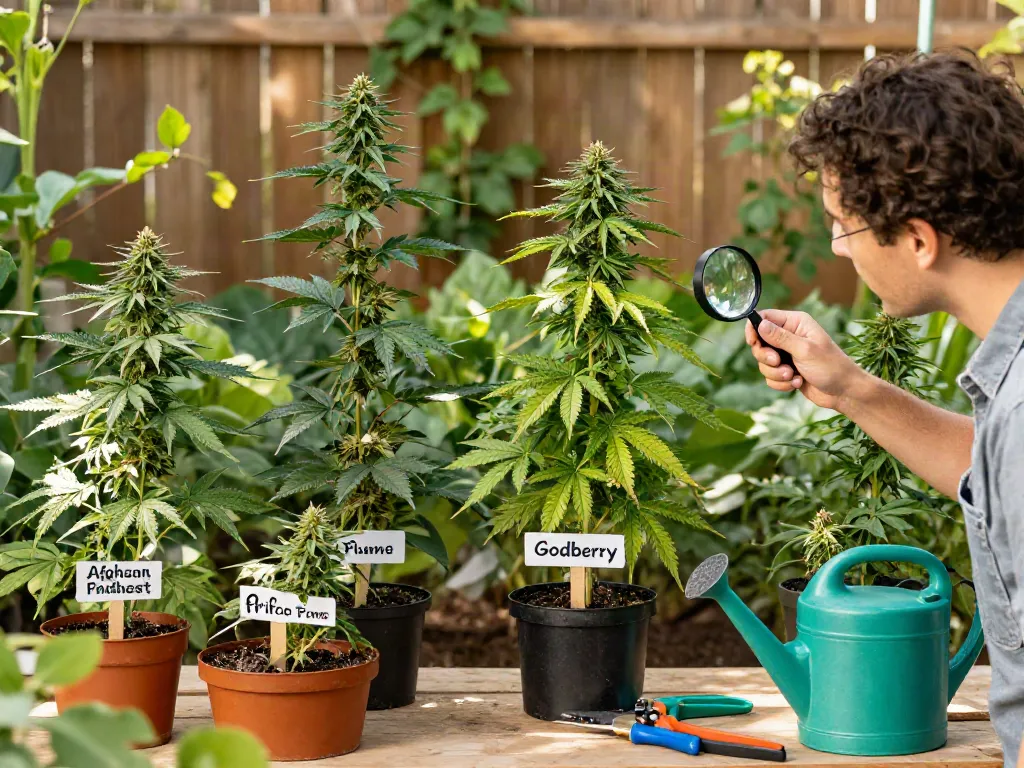
Phenotype hunting is the practice of searching for unique and desirable traits within a population of plants. Regular photoperiod seeds provide a broader genetic spectrum, which increases the chances of finding exceptional phenotypes. Growers dedicated to this practice can discover plants with enhanced potency, remarkable flavor profiles, or unique growth structures. This exploration can lead to the development of new strains that could redefine market expectations and consumer satisfaction.
Why Growers Prefer Regular Photoperiod Seeds
Evaluating Plant Traits: Aroma, Vigor, and Structure
One of the primary reasons growers choose regular seeds is the ability to evaluate a wide range of plant traits. This includes aspects like aroma, vigor, and overall structure. Regular seeds provide the opportunity to assess both male and female plants, allowing for a more comprehensive selection process that can lead to superior breeding outcomes. By understanding how each plant behaves, cultivators can make informed decisions about which genetics to perpetuate.
Long-Term Goals: Breeding vs. One-Time Harvests
For growers with long-term objectives, regular seeds are often the preferred choice. Unlike feminized seeds, which are designed primarily for immediate harvests, regular seeds support breeding programs aimed at creating new strains over time. This focus on quality and sustainability often results in the development of more robust plants that yield better results in successive generations.
Case Studies: Successful Growers Using Regular Seeds
Numerous cultivators have successfully implemented regular photoperiod seeds in their growing programs. For example, a well-known breeder in California utilized regular seeds to develop a high-CBD strain sought after by medicinal users. Through careful selection and cross-breeding over multiple generations, the breeder achieved a strain that not only met the medicinal requirements but also exhibited distinctive terpenes that set it apart in the market. Such success stories highlight the benefits of using regular seeds for breeding and the potential for creating impactful cannabis strains.
Best Practices for Growing Regular Seeds
Maintaining Optimal Light Cycles for Growth
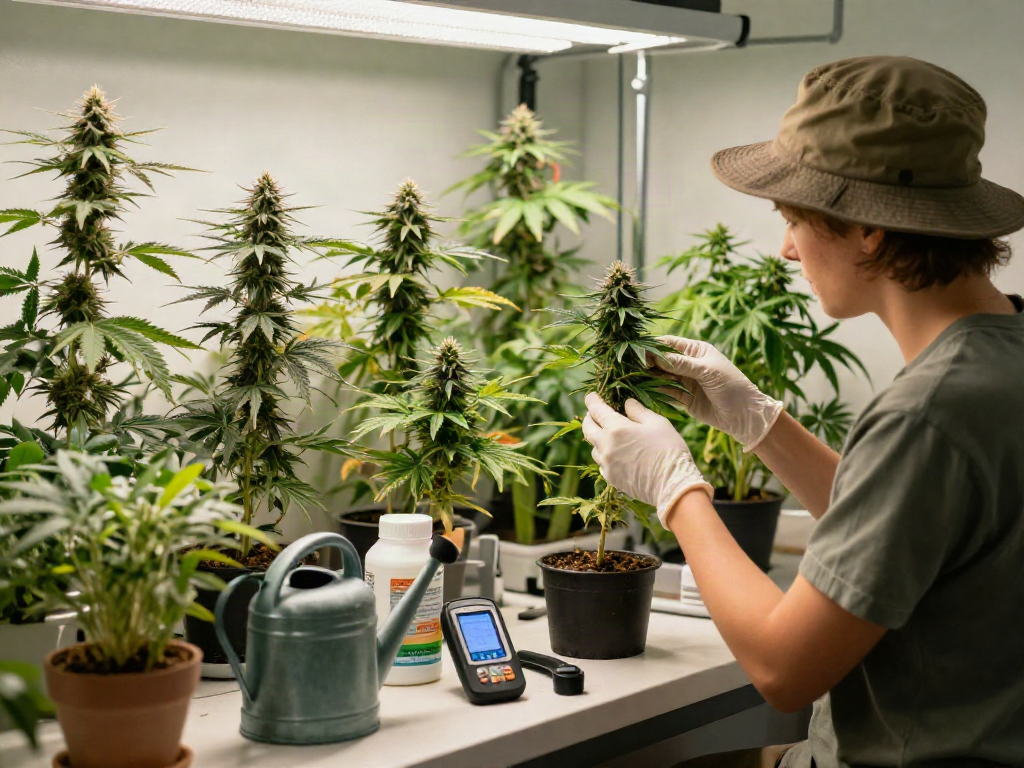
Regular photoperiod seeds rely heavily on light cycles for triggering flowering. Growers must maintain a consistent light schedule, offering 18 hours of light and 6 hours of darkness during the vegetative stage, and then shifting to 12 hours of light and 12 hours of darkness to induce flowering. Proper light management is essential for maximizing yields and ensuring healthy plant growth.
Identifying and Managing Male Plants
Since regular seeds produce both male and female plants, recognizing and managing male plants is critical for successful cultivation. As male plants mature, they will develop pollen sacs, which can lead to fertilization of female plants if not controlled. Growers should monitor their plants closely, removing males if they are aiming for seedless flowers, while retaining them if breeding is the goal.
Common Mistakes and How to Avoid Them
One common mistake among new growers using regular seeds is the failure to properly identify plant sexes early on. This oversight can lead to unwanted pollen production, compromising the goal of a seedless harvest. Additionally, not maintaining optimal environmental conditions can hinder growth. Ensuring proper nutrition, watering, and light exposure can mitigate many of these issues, leading to a healthier grow and better yields.
Frequently Asked Questions About Regular Seeds
What are the best photoperiod seeds?
The best photoperiod seeds vary by individual preference and growing objectives. Factors such as climate, cultivation goals, and personal taste play significant roles in determining the ideal choice.
How long does it take for regular seeds to flower?
The time it takes for regular seeds to flower typically ranges from 8 to 12 weeks, depending on the strain and growing conditions. Proper light management is key to triggering and maintaining healthy flowering.
Can regular seeds be grown indoors?
Yes, regular seeds can be successfully grown indoors. With controlled environmental conditions and appropriate light cycles, indoor growers can achieve excellent results with regular photoperiod seeds.
Are there specific growing conditions needed for regular seeds?
Regular seeds flourish under stable conditions, including adequate light, temperature, and humidity levels. Growers should focus on providing appropriate nutrients and maintaining a clean growing environment to ensure healthy plants.
What should I know about cannabis seed laws?
It's essential to be aware of the local laws governing cannabis cultivation and seed purchase. Regulations vary widely by region, so growers should familiarize themselves with their local cannabis laws to comply with legal requirements.