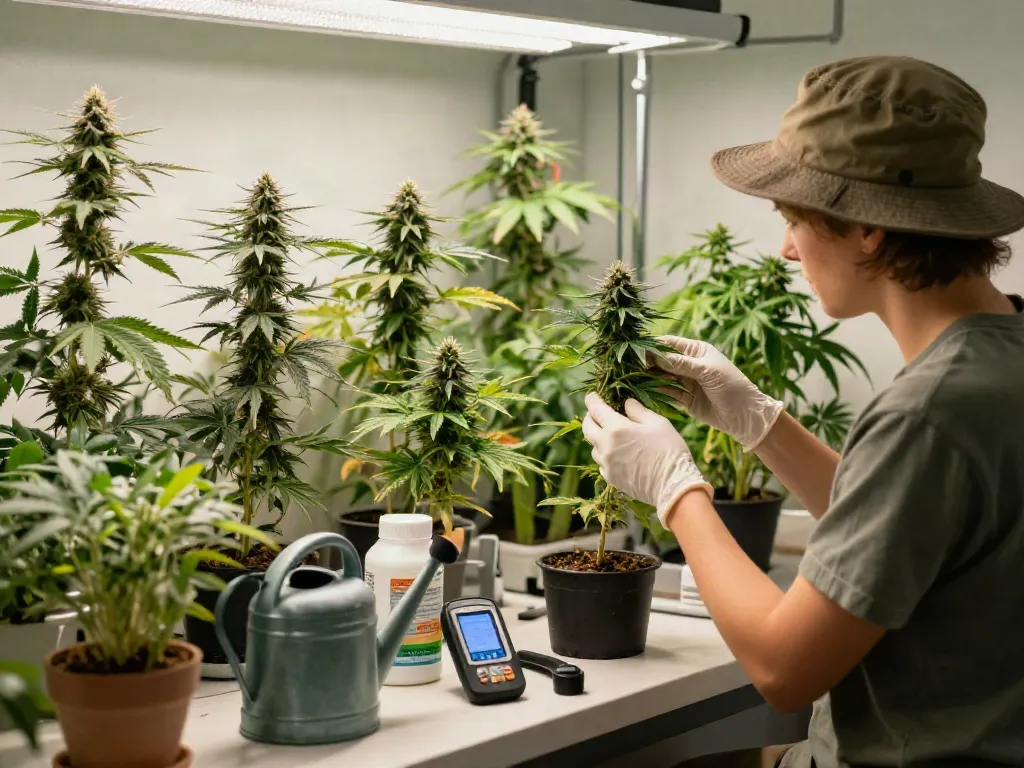
Understanding Triploid Cannabis Seeds
In the expanding world of cannabis cultivation, the emergence of triploid cannabis seeds marks a significant innovation. These seeds, characterized by having three complete sets of chromosomes, offer unique advantages that can enhance both commercial and home growers’ experiences. As demand for high-potency, high-yield crops continues to rise, triploid genetics are gaining traction among enthusiasts and cultivators alike. When exploring options, triploid cannabis seeds present intriguing possibilities that could redefine traditional growing practices.
What Are Triploid Cannabis Seeds?
Triploid cannabis seeds derive their genetic structure from a unique chromosomal arrangement: three sets of chromosomes instead of the standard two seen in diploid plants. This chromosomal configuration is born out of advanced breeding techniques where breeders cross a tetraploid parent, which possesses four chromosome sets, with a diploid parent. The offspring then inherit the triploid condition, which enables it to exhibit specific growth characteristics and potential advantages.
Genetic Composition Explained
The genetic composition of triploid cannabis seeds leads to several noteworthy traits. While most cannabis plants are diploid, triploid plants typically possess a greater level of stability in their traits, which can lead to more predictable outcomes in terms of growth and flowering. The three sets of chromosomes do not divide evenly during meiosis, leading to reduced fertility; thus, triploid cannabis plants generally produce fewer seeds when exposed to pollen. This trait, while rendering them less capable of reproduction, can be beneficial for growers aiming for uninterrupted harvests of seedless flowers.
How They Differ from Other Seed Types
When comparing triploid seeds to feminized and autoflower varieties, crucial differences emerge in genetic and functional capacities. Feminized seeds guarantee the production of female plants, while autoflower seeds shift from a vegetative to a flowering stage automatically based on age rather than light cycles. Triploid seeds, in contrast, offer unique chromosome-based advantages but do not inherently guarantee the sex or specific flowering schedule of the plants. As breeders continue to explore combinations of triploidy with traditional breeding methods, the potential for creating exceptional cultivars grows.
Advantages of Triploid Cannabis Seeds
Higher Yields and Robust Growth
One of the most compelling benefits of triploid cannabis seeds is their potential for increased yields. Research indicates that triploid varieties can produce up to 100% more flower compared to their diploid counterparts. This heightened productivity stems from their enhanced growth vigor, allowing for larger and denser flowers that can significantly elevate a grower's output. With the right conditions, triploid plants can thrive, offering a reliable harvesting experience that exceeds traditional methods.
Seedless Crop Insurance and Genetic Stability
Triploid plants are often sought after for their capacity to deliver seedless crops. The inherent sterility associated with triploidy means that growers can enjoy a harvest free from seeds, which not only enhances the quality but also simplifies the processing of the final product. Furthermore, the genetic stability brought on by their unique chromosome composition can lead to healthier plants that are less susceptible to environmental stressors and pathogens.
Improved Potency and Flavor Profiles
Another highlight of cultivating triploid cannabis seeds is the potential for boosted THC and terpene levels. The triploid’s genetic framework enables breeders to push for higher cannabinoid profiles, often resulting in strains that deliver a more potent and flavorful experience. This capability makes triploid cannabis an exciting option for those aiming for premium quality in their production, as consumers increasingly favor products with enhanced taste and efficacy.
Transitioning to Triploid Genetics
Preparing for Triploid Seed Cultivation
Transitioning to triploid genetics requires careful planning and preparation. Growers must consider the specific conditions that triploid seeds thrive in, including optimal pH levels, moisture, and nutrient availability. Understanding the unique growth patterns and requirements of triploid plants is essential for transitioning from traditional cannabis cultivation. Investing in quality soil and employing practices such as regular feeding schedules can set the foundation for a successful crop.
Best Practices for Successful Growth
To maximize the benefits of triploid cannabis seeds, growers should follow best practices tailored to their specific needs. Key practices include consistent light cycles, monitoring environmental conditions, and employing integrated pest management strategies. Additionally, leveraging advanced breeding techniques and genetics can further enhance the cultivation process, ensuring robust growth and high yields.
Common Challenges and Solutions
While the triploid cannabis plant offers many advantages, there are challenges associated with their cultivation. Reduced fertility can complicate propagation, so growers should be equipped with techniques to manage pollen exposure effectively. Employing isolation techniques or controlled environments can help mitigate these challenges. Additionally, regular monitoring for pests and diseases will ensure the health of the crop, safeguarding against potential yield losses.
Comparative Analysis: Triploid vs Feminized vs Autoflower
Understanding Fertility and Yield Differences
When examining fertility and yield characteristics among triploid, feminized, and autoflower seeds, it becomes clear that each type has its niche. Feminized seeds ensure a female-only crop, making them ideal for growers focused on flower production. Conversely, triploid seeds offer the advantage of higher yields without the hassle of seed production, although their reduced fertility may limit some growers. Autoflower seeds provide a more rapid growth cycle, appealing to those seeking quick turnarounds.
Growth Cycle and Flowering Time Variances
The growth cycle of triploid plants tends to mirror that of traditional cannabis, which can require careful management for optimal results. In contrast, autoflower seeds typically transition from vegetative to flowering stages without the need for changing light cycles, making them more versatile in varied environments. Understanding these differences allows growers to select the best seed type based on their specific cultivation goals.
Choosing the Right Type for Your Needs
Ultimately, the choice between triploid, feminized, and autoflower seeds hinges on individual preferences and cultivation goals. Growers interested in large-scale production may gravitate towards triploid seeds for their yield potential, while hobbyists may prefer feminized or autoflower strains for their reliability and ease of growth. Careful consideration of the characteristics associated with each seed type will lead to more informed decisions.
Future Trends in Triploid Cannabis Cultivation
Innovations in Breeding Techniques
The future of triploid cannabis cultivation lies in continued innovations in breeding techniques. Advances in genetic research and biotechnology will likely enable breeders to enhance traits such as flavor profiles, pest resistance, and overall plant health. As the industry evolves, cultivators can expect improved access to high-quality triploid seeds with more predictable outcomes, benefitting both commercial growers and home cultivators.
Market Predictions for 2026 and Beyond
Predictions for the cannabis market in 2026 indicate a growing demand for advanced genetic strains, with triploid cannabis seeds expected to play a pivotal role. As consumers become more discerning in their preferences, the appeal of high-yield, high-potency strains will continue to rise. This trend will push breeders to innovate further, catering to the evolving landscape of cannabis consumption and cultivation.
Potential Regulatory Changes Impacting Cultivation
As cannabis legislation continues to evolve globally, regulatory changes may significantly impact triploid cannabis cultivation. Growers should stay informed about local laws and regulations regarding seed production and cultivation practices. Navigating these changes will be crucial for ensuring compliance and maximizing the potential benefits associated with triploid genetics.
What benefits do triploid cannabis seeds offer over diploid?
Triploid cannabis seeds provide several advantages, including higher yields, reduced fertility leading to seedless crops, and the potential for enhanced cannabinoid profiles. These characteristics make triploid seeds an attractive option for both commercial and hobbyist growers looking to optimize their harvests.
Are triploid cannabis seeds completely sterile?
While triploid cannabis seeds generally exhibit reduced fertility, they are not guaranteed to be completely sterile. The outcome still largely depends on the parent genetics and growing conditions. Growers looking for absolute sterility should manage environmental factors carefully to minimize pollen exposure.
How can I successfully grow triploid cannabis at home?
To successfully grow triploid cannabis at home, start with high-quality seeds and ensure proper environmental conditions. Pay attention to nutrient balance, light cycles, and pest management to facilitate robust growth. Additionally, understanding the specific needs of triploid plants will enhance the chances of success.
What are the best practices for securing high yields?
Securing high yields with triploid cannabis involves consistent monitoring of plant health, optimizing nutrient delivery, and employing effective cultivation techniques. Utilizing practices such as pruning, training, and ensuring optimal light conditions can significantly enhance yield potential.
Where can I buy reputable triploid cannabis seeds?
Finding reputable sources for triploid cannabis seeds is essential for ensuring quality and viability. Consider purchasing from established breeders and trusted online retailers that specialize in cannabis genetics to secure high-quality seeds tailored to your cultivation goals.