
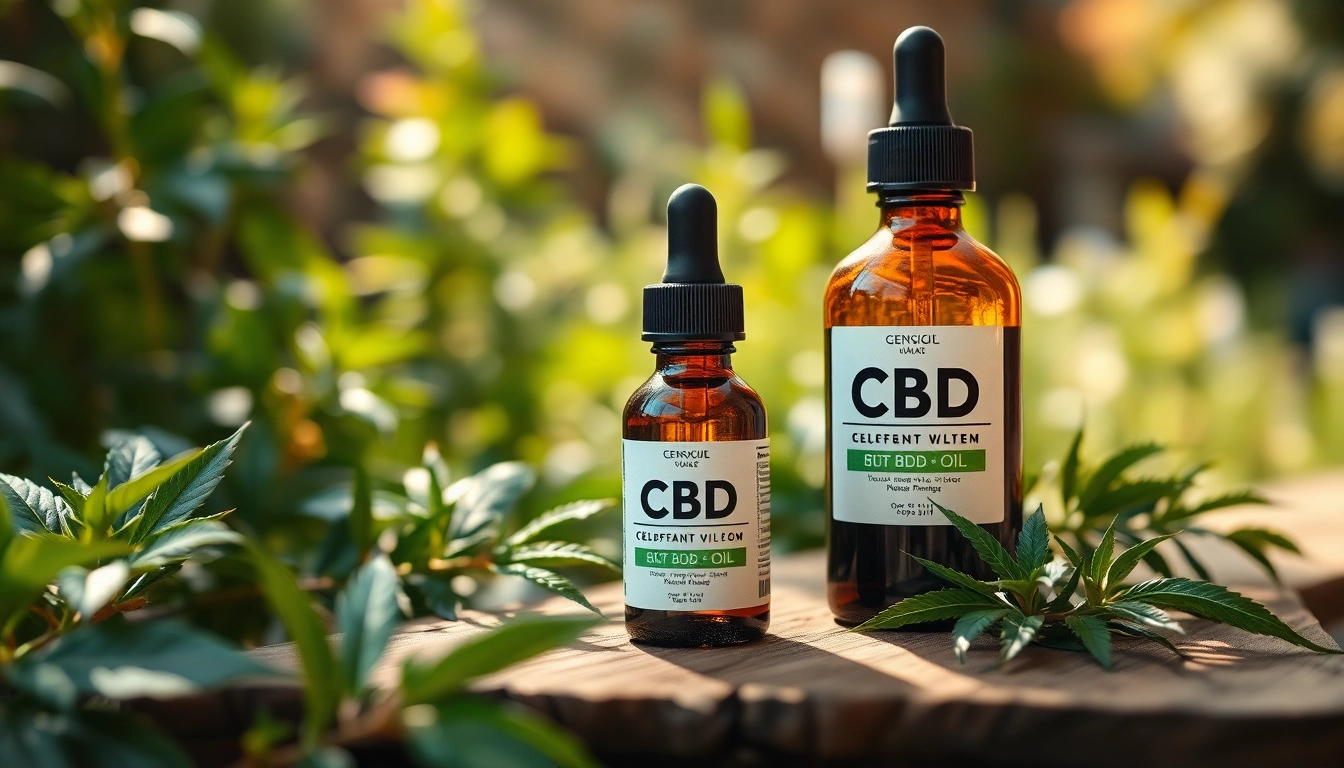
What is CBD Oil?
Defining CBD Oil
Cannabidiol, commonly known as CBD, is a naturally occurring compound found in the cannabis plant. Unlike its more famous counterpart, tetrahydrocannabinol (THC), which is primarily responsible for the psychoactive effects associated with cannabis, CBD is non-psychoactive. This means that it does not induce a "high" when consumed. Over the years, CBD oil has gained significant popularity as a wellness product, touted for its numerous health benefits and potential therapeutic applications. With the increasing legalization of hemp-derived products, CBD Oil has become widely accessible and utilized across various health sectors.
The Extraction Process
The extraction process of CBD Oil is crucial in determining its quality and effectiveness. There are several methods used to extract CBD from the hemp plant, the most common being CO2 extraction, ethanol extraction, and olive oil extraction. CO2 extraction is regarded as the gold standard, as it uses carbon dioxide at high pressure to extract CBD without leaving behind any residual solvents. This method retains the purity and potency of the oil, resulting in a higher quality product.
Ethanol extraction, while effective, can leave behind some chlorophyll which may affect the taste. Olive oil extraction is the simplest method and is often used by home brewers; however, it has a shorter shelf life compared to CO2 extracts. After extraction, the oil is usually tested for potency and contamination, ensuring that customers receive a safe, high-quality product.
Types of CBD Oil Available
When exploring CBD Oil, consumers will encounter various types, each differing primarily in their chemical composition:
- Full-Spectrum CBD Oil: This type contains all the cannabinoids found in the hemp plant, including a trace amount of THC (usually less than 0.3%). Full-spectrum oils are believed to be more effective due to the "entourage effect," where various cannabinoids work synergistically to enhance their therapeutic benefits.
- Broad-Spectrum CBD Oil: Similar to full-spectrum, broad-spectrum includes multiple cannabinoids but with all THC completely removed. This option is ideal for those who wish to avoid THC but still want to benefit from other cannabinoids.
- CBD Isolate: This is the purest form of CBD, containing no other cannabinoids or THC. CBD isolate is ideal for consumers who prefer a non-psychoactive product and often comes in powder or crystalline form.
Health Benefits of CBD Oil
How CBD Oil Affects Health
The human body has an endocannabinoid system (ECS), which plays a significant role in regulating various physiological processes, including mood, memory, inflammation, and pain sensation. CBD interacts with the ECS by binding to cannabinoid receptors, potentially helping to restore balance and promote homeostasis. This interaction is believed to contribute to many health benefits attributed to CBD Oil.
Potential Therapeutic Uses
Research into CBD Oil’s therapeutic uses is ongoing, and the following potential benefits have been noted:
- Pain Relief: CBD Oil is widely used by individuals seeking relief from chronic pain conditions, including arthritis, migraines, and multiple sclerosis. Studies suggest that it may reduce inflammation and alter pain perception.
- Anxiety and Depression: Preliminary studies show that CBD may alleviate symptoms of anxiety and depression by influencing serotonin receptors in the brain, providing a natural alternative to traditional medications.
- Sleep Disorders: Many users report that CBD helps in improving sleep quality and managing symptoms of sleep disorders, such as insomnia by promoting relaxation.
- Neuroprotective Properties: Emerging research indicates that CBD may offer neuroprotective effects, showing promise in treating conditions like epilepsy and neurodegenerative diseases such as Alzheimer's and Parkinson's.
Research and Evidence Supporting CBD Oil Benefits
While anecdotal evidence and preliminary studies abound, robust clinical trials are essential to firmly establish the efficacy of CBD Oil. Some significant findings include:
- A study published in the Journal of Pain indicated that CBD reduced pain and improved sleep in patients suffering from chronic pain conditions.
- Another investigation highlighted in the Journal of Neuropsychopharmacology found that CBD significantly reduced anxiety in public speaking scenarios compared to a placebo.
- The FDA has approved CBD as an anti-seizure medication for specific epilepsy disorders, demonstrating its clinical potential for certain medical conditions.
How to Use CBD Oil Effectively
Dosage Recommendations
Determining the right dosage of CBD Oil can be challenging due to individual variations in body chemistry, the severity of the condition being treated, and product concentration. A general guideline for beginners is to start with a low dose (around 5-10mg of CBD) and gradually increase until the desired effects are achieved. It’s advisable to consult with a healthcare professional before starting CBD to tailor the dosage to individual needs.
Methods of Consumption
CBD Oil can be consumed through various methods, each offering different user experiences and effects:
- Sublingual: Placing CBD Oil under the tongue allows for faster absorption into the bloodstream, providing quicker effects.
- Ingestion: CBD capsules or edibles are convenient but take longer to take effect as they must pass through the digestive system.
- Topical Application: Creams and balms infused with CBD can be applied directly to the skin, targeting localized pain and inflammation.
- Inhalation: Vaping CBD Oil offers rapid absorption but may not be suitable for everyone due to potential respiratory concerns.
Tips for Beginners Using CBD Oil
For those new to CBD, here are several tips to enhance the experience:
- Keep a Journal: Tracking your dosage, method of consumption, and effects can help you determine what works best for you over time.
- Be Patient: It may take time to find the optimal dosage and method that works for you; don’t rush the process.
- Choose Quality Products: Always select products that provide third-party lab testing to verify potency and purity.
Risks and Side Effects of CBD Oil
Common Side Effects
While CBD Oil is generally well tolerated, some users may experience side effects, including:
- Drowsiness
- Dry mouth
- Changes in appetite
- Nausea
It is essential to start with a low dose and observe how your body reacts before increasing the quantity.
Precautions to Consider
Individuals with underlying health conditions or who are pregnant or breastfeeding should consult a healthcare professional before using CBD Oil. Furthermore, those with liver issues or taking medications that affect liver enzymes should exercise caution, as CBD may interfere with the metabolism of specific drugs.
Interactions with Other Medications
CBD Oil can interact with various medications, including blood thinners and certain antidepressants. It is important to discuss your use of CBD with your healthcare provider to avoid adverse interactions.
Choosing Quality CBD Oil Products
What to Look for in CBD Oil
To ensure you're purchasing high-quality CBD Oil, consider the following criteria:
- Source of Hemp: Opt for products made from hemp grown in the U.S. or Europe, which are subject to stricter agricultural regulations.
- Extraction Methods: Look for oils extracted using CO2 or other non-toxic methods.
- Third-Party Testing: Reputable brands will provide lab results demonstrating the potency and purity of their products.
- Full Transparency: Quality brands will openly share ingredient sourcing and their production methods.
Understanding Labels and Certificates
Reading product labels critically is essential. A high-quality CBD Oil label should include:
- Cannabinoid profile (amount of CBD, THC, and other cannabinoids)
- Volume and concentration of CBD
- Origin of hemp
- Instructions for use
- Warning statements if necessary
Reputable Sources for Purchasing CBD Oil
Consumers can access CBD Oil products through various channels, including health food stores, online retailers, and specialty shops. Always prioritize purchasing from reputable sources that provide clear product information, lab testing results, and customer reviews to ensure product quality and safety.