
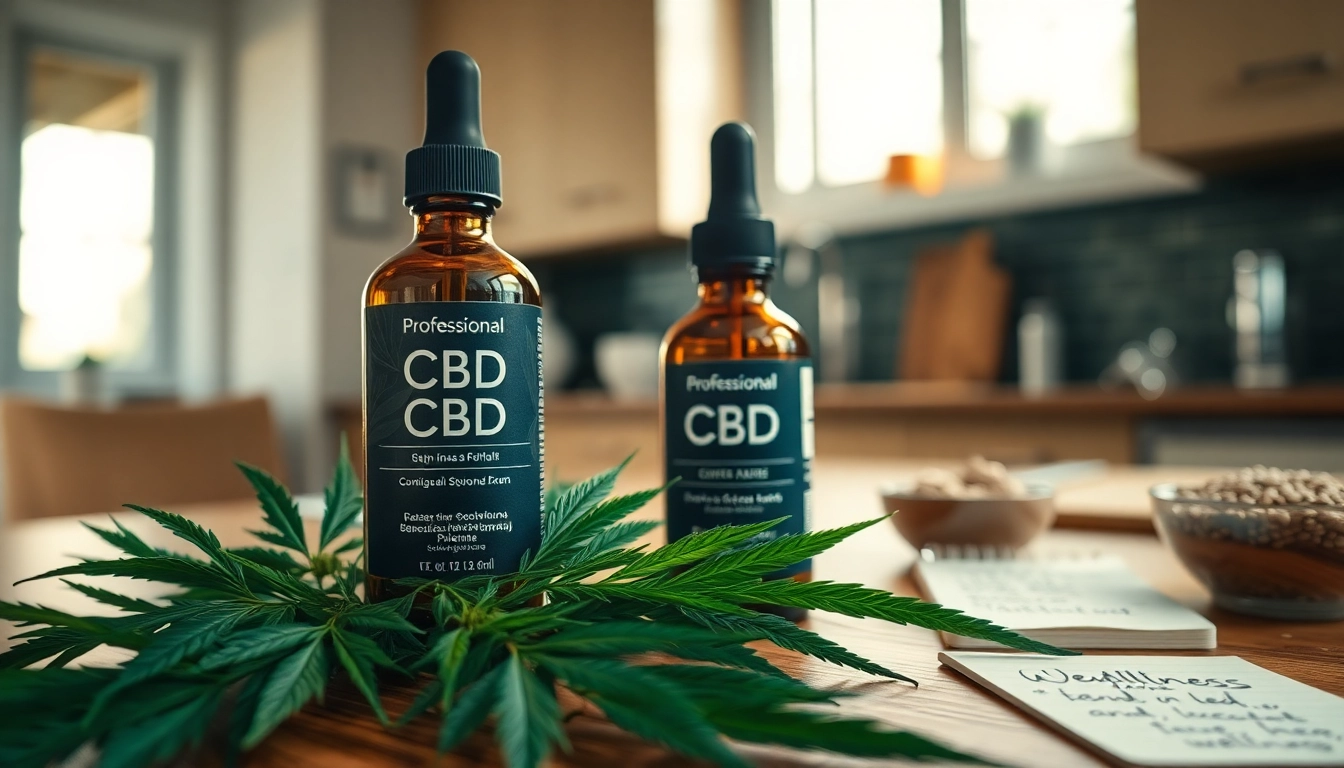
What is CBD and How Does it Work?
Defining CBD: The Basics
Cannabidiol, commonly known as CBD, is a naturally occurring compound found in the resinous flowers of cannabis plants. Unlike its more famous counterpart tetrahydrocannabinol (THC), CBD is non-psychoactive, which means it does not induce the "high" typically associated with cannabis use. Derived predominantly from hemp plants, CBD has gained significant attention for its potential therapeutic properties. Its legality has expanded in many regions following legislative changes, allowing for broader research and use in various applications. For a deeper exploration of CBD, you can visit CBD resources.
The Science Behind CBD Functionality
The human body has an endocannabinoid system (ECS), which interacts with cannabinoids like CBD. The ECS plays a crucial role in regulating a range of functions and processes including sleep, mood, appetite, and immune response. CBD interacts with receptors in this system, particularly the CB1 and CB2 receptors, influencing these biological functions without binding directly to them, thus promoting a sense of balance and wellness throughout the body.
Common Uses of CBD in Therapeutics
CBD has gained recognition in the medical community for various therapeutic applications. It is commonly used in the management of conditions such as anxiety, chronic pain, and epilepsy. Research has shown that CBD can help alleviate symptoms associated with these conditions, often providing a more holistic approach than traditional pharmaceuticals. Additionally, CBD has emerged in skincare products, pharmaceutical drugs, and wellness supplements due to its anti-inflammatory properties.
Health Benefits of CBD: What Research Shows
CBD and Mental Health Support
Recent studies suggest that CBD may play a valuable role in mental health. It is thought to help reduce anxiety levels and improve mood regulation. Research indicates that CBD can influence the serotonin receptors in the brain, improving overall mood and emotional response. This potential has sparked interest in its application for anxiety disorders, depression, and PTSD treatment. Patients seeking alternatives to traditional therapies are increasingly turning to CBD as a supplementary option for mental wellness.
Potential Relief for Chronic Pain with CBD
Chronic pain is a common issue that affects millions worldwide. CBD has shown promise in providing relief for various types of chronic pain, including neuropathic pain, arthritis, and lower back pain. Its anti-inflammatory properties can reduce swelling and discomfort, offering an alternative to opioid-based pain medications. Systematic reviews and clinical trials support the efficacy of CBD in pain management, making it an attractive option for individuals seeking non-addictive pain relief solutions.
Impact of CBD on Sleep and Anxiety
Many individuals struggle with sleep disorders and anxiety. Research indicates that CBD may assist in regulating sleep patterns, supporting deeper and more restorative sleep. Its calming effects can help reduce anxiety levels, making it easier for individuals to fall and stay asleep. Clinical trials have provided evidence that participants using CBD reported improvements in sleep quality and reductions in anxiety levels, thereby enhancing their overall well-being.
Are There Risks Associated with CBD Use?
Possible Side Effects of CBD
While CBD is generally well-tolerated, it can cause side effects in some individuals. Common adverse effects include dry mouth, drowsiness, changes in appetite, and gastrointestinal discomfort. It is crucial for users to be aware of these potential effects and to consult with healthcare professionals before starting any CBD regimen, particularly if they are on other medications.
Understanding CBD Dosage and Recommendations
Dosing CBD can be challenging due to individual differences in body chemistry, condition being treated, and the form of CBD used. Recommendations generally suggest starting with a low dose and gradually increasing it based on individual response. Consulting with a healthcare professional can help tailor the dosage to individual needs and ensure safety and efficacy in treatment plans.
Legal Considerations Surrounding CBD
The legal status of CBD varies widely by region and is often subject to change. In many locations, CBD derived from hemp with less than 0.3% THC is legal, while CBD from cannabis may still be subject to stricter regulations. It's essential to understand local laws regarding the use, sale, and possession of CBD products to ensure compliance and safety.
How to Choose Quality CBD Products
Identifying Certified CBD Products
When selecting CBD products, it is vital to look for products that have been independently tested for quality and potency. Certifications from reputable third-party laboratories can verify the contents and ensure that the product is free of contaminants. Look for clear labeling indicating testing results to make informed decisions.
Reading CBD Labels and What to Look For
Understanding product labels is crucial for informed CBD consumption. Consumers should look for information regarding the concentration of CBD per serving, the source of hemp, extraction methods used, and the presence of other cannabinoids or terpenes. This transparency can guide consumers in choosing products that align with their health goals.
Where to Buy CBD Products Safely
Purchasing CBD from reputable sources is essential for ensuring product quality and safety. Consumers should avoid purchasing from unverified online sources or local shops without a proven track record. Trusted retailers typically provide detailed product information, conducting rigorous quality control and lab testing on their offerings.
Future of CBD: Trends and Developments
Emerging Research on CBD Applications
The research landscape surrounding CBD is rapidly evolving. New clinical trials are continuously examining its application in treating various medical conditions beyond anxiety and pain management, including neurodegenerative diseases and skin disorders. The potential for CBD in preventive health care and its role in enhancing overall wellness is becoming an exciting area of focus for medical research.
Market Trends in CBD Products
The CBD market has seen substantial growth over recent years, driven by increasing consumer interest and demand for natural wellness products. Trends such as the incorporation of CBD into food and beverage products, beauty items, and even pet care solutions reflect its versatility. As regulations continue to stabilize, the market is expected to expand further, offering a wide variety of products to consumers.
Consumer Attitudes Towards CBD
Consumer perceptions of CBD are evolving. As more people become educated about its benefits and uses, acceptance of CBD as a legitimate wellness option has increased. Studies indicate that consumers are increasingly inclined to incorporate CBD into their daily routines, driven by its potential health benefits and the desire for natural alternatives to traditional pharmaceuticals. This shift in consumer attitude is influencing product development and marketing strategies within the CBD industry.