
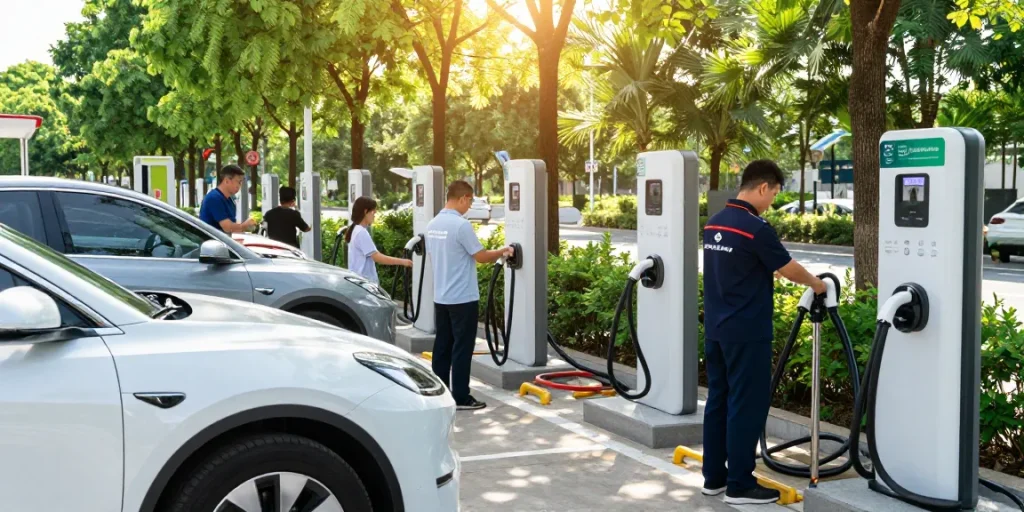

Understanding the Importance of Portable EV Charger Factories
The rapid growth of electric vehicles (EVs) has led to an increased demand for efficient and reliable charging solutions. Central to this evolving landscape are portable ev charger factory operations, which play a pivotal role in meeting consumer needs while supporting sustainability initiatives. By manufacturing portable EV chargers that adhere to stringent quality standards, these factories cater to the diverse requirements of consumers, businesses, and urban planners alike.
What is a Portable EV Charger Factory?
A portable EV charger factory specializes in the production of charging equipment designed for electric vehicles, focusing on designs that are easily transportable and user-friendly. These factories utilize advanced manufacturing techniques to ensure that products are not only effective but also meet international safety standards. The key features of such factories include:
- Automated Production Lines: Enhance efficiency and reduce human error.
- Quality Control Processes: Rigorous testing to meet safety certifications.
- Research and Development: Continuous innovation to improve product functionality.
Benefits of Portable EV Chargers for Consumers
Portable EV chargers offer numerous advantages that cater to the needs of modern consumers. These benefits include:
- Convenience: Portable chargers can be easily transported, allowing users to charge their vehicles at home, work, or on the go.
- Cost-Effectiveness: Many portable options are more affordable than fixed charging stations, providing an economical solution for users.
- Versatility: Portable chargers can be compatible with various EV models, making them accessible for a broader audience.
How Factories Ensure Quality and Safety Standards
Quality assurance is paramount in the production of portable EV chargers. Factories implement several practices to guarantee that their products meet or exceed safety standards:
- Certification Processes: Factories obtain certifications from organizations such as CE, RoHS, TUV, and UL, ensuring compliance with international safety standards.
- Testing Protocols: Each charger undergoes rigorous testing to validate its performance, safety, and durability.
- Continuous Improvement: Feedback loops from consumers are integrated into product design and manufacturing processes to enhance safety and functionality.
Key Features to Look For in Portable EV Chargers
When selecting a portable EV charger, consumers should be aware of several key features that can influence performance and usability.
Understanding Charging Speeds and Compatibility
Charging speed is often a top consideration for consumers. Different models may offer various charging speeds, typically categorized into level 1 (120V) and level 2 (240V) chargers. It’s essential to compare:
- Charging Times: How long it takes to charge different battery sizes.
- Compatibility: Ensuring the charger works with specific vehicle models.
Importance of Safety Certifications in Charger Selection
Safety certifications are critical when choosing a portable EV charger. They help ensure that the device will not only perform well but also protect users from electrical hazards. Look for chargers certified by:
- CE: Compliance with European health, safety, and environmental protection standards.
- UL: Underwriters Laboratories certification for safety assurance in electrical devices.
Innovative Technology in Modern EV Chargers
Modern portable EV chargers are equipped with innovative technology that enhances user experience. Features such as smartphone connectivity, real-time monitoring, and adaptive charging rates can significantly improve the charging process. These advancements allow users to:
- Control Charging: Users can monitor and remotely control their charging sessions.
- Optimize Energy Usage: Smart technology helps in managing energy consumption based on availability and demand.
Challenges in the Portable EV Charger Market
Despite the booming demand for EV chargers, several challenges persist within the portable charger market that consumers and manufacturers need to navigate.
Pain Points for Consumers in Choosing Chargers
Consumers often face difficulty in selecting the right charger due to a plethora of options with varying features and specifications. Key issues include:
- Information Overload: The vast number of choices can overwhelm consumers, making it hard to identify the best option.
- Price Variability: Differing prices can make it challenging to determine the value of each product.
Addressing Supply Chain Issues Faced by Manufacturers
Manufacturers of portable EV chargers often encounter supply chain disruptions that affect production timelines and quality. Common challenges include:
- Raw Material Shortages: Limited availability of necessary components can slow down manufacturing.
- Logistical Delays: Shipping delays can impact delivery timelines and product availability.
Market Competition and Its Impact on Prices
The competitive landscape of the portable EV charger market leads to fluctuations in pricing. While competition can drive innovation, it can also result in:
- Price Wars: Aggressive pricing strategies may compromise quality for some manufacturers.
- Diminished Profit Margins: Heightened competition can reduce profits, affecting manufacturers’ ability to invest in R&D.
Best Practices for Selecting Portable EV Charger Factories
Choosing the right portable EV charger factory is crucial for ensuring product quality and reliability. Here are best practices to consider:
Evaluating Manufacturer Reputation and Experience
Investigate the reputation of potential manufacturers by assessing their industry experience and customer reviews. A manufacturer with a solid track record is more likely to produce reliable products. Look for:
- Years in Operation: Established manufacturers have the insights and expertise to meet market demands.
- Customer Testimonials: Positive feedback from previous clients can indicate reliability and service quality.
Understanding Warranty and Support Services Offered
Warranties and after-sales support are crucial aspects that can influence purchasing decisions. Ensure that the manufacturer provides:
- Comprehensive Warranties: Good warranties can protect consumers from defects.
- Responsive Support Services: Quick and efficient customer service can resolve issues effectively.
Long-term Reliability: What to Expect from Quality Chargers
When investing in a portable EV charger, consumers should consider the long-term reliability of the product. Quality chargers are typically characterized by:
- Durable Materials: Robust construction can withstand environmental stresses and ensure longevity.
- Proven Performance: Reliable chargers demonstrate consistent performance across various applications.
The Future of Portable EV Charging Solutions in 2026 and Beyond
The future of portable EV charging solutions looks promising, with advancements in technology and a growing emphasis on sustainability driving innovations in the industry.
Emerging Trends in Electric Vehicle Technology
As technology evolves, the following trends are anticipated to shape the future of portable EV charging:
- Fast Charging Solutions: New technologies will likely reduce charging times significantly.
- Wireless Charging: Advances in wireless technology may eliminate the need for physical connectors, enhancing convenience.
How Sustainability Practices are Shaping Manufacturing
Manufacturers are increasingly adopting sustainable practices to reduce their environmental footprint. This shift includes:
- Eco-Friendly Materials: Using recyclable and biodegradable materials in charger production.
- Renewable Energy Sources: Implementing renewable energy in manufacturing processes to minimize carbon emissions.
Predictions for Consumer Preferences and Market Growth
As the EV market continues to mature, consumer preferences are expected to evolve. Key predictions include:
- Preference for Smart Devices: Consumers will likely favor chargers with smart technology that enhance usability.
- Increased Demand for Portability: A higher number of consumers will seek portable solutions for greater flexibility.
What are the advantages of portable EV chargers?
Portable EV chargers provide convenience, versatility, and cost savings for users. They allow for easy charging in various locations, accommodating different vehicle types.
How do I choose a reliable portable EV charger factory?
Choose a factory based on its reputation, product offerings, and customer support services. Look for manufacturers with proven experience in the industry and positive reviews from customers.
What safety certifications should I look for?
Ensure the charger has recognized safety certifications such as CE, TUV, and UL, which validate compliance with international safety standards.
What trends are influencing the EV charger market?
Key trends include advancements in charging speeds, the rise of smart technology integration, and an increased focus on sustainability throughout the production process.
How can I ensure my portable charger is future-proof?
Future-proof your portable charger by selecting models that support multiple vehicle types, offer smart features for efficiency, and are built with durable materials for longevity.. Additionally, ultra rapid ev charger provides further details.