The Health Benefits of CBD and THC
In recent years, CBD and THC have garnered significant attention thanks to their potential therapeutic benefits. Consumers are increasingly turning to these cannabinoids as alternative remedies for various health conditions. From managing anxiety to reducing inflammation, the wellness industry is witnessing a remarkable shift as individuals seek natural solutions for overall well-being. One pivotal aspect of this trend is the rise of online dispensaries, making it more convenient than ever to buy weed online. As we delve into the health benefits of these compounds, it's essential to understand their unique characteristics and applications.
Understanding Cannabinoids: CBD vs. THC
Cannabidiol (CBD) and tetrahydrocannabinol (THC) are two of the most prevalent cannabinoids found in cannabis. While both are derived from the hemp plant, they have distinct chemical structures and effects on the body. THC is the psychoactive component responsible for the "high" associated with marijuana, whereas CBD is non-psychoactive and is celebrated for its therapeutic properties without inducing intoxication. This fundamental difference allows consumers to benefit from cannabis for medicinal purposes without the euphoric effects of THC.
Therapeutic Applications of CBD
Research has shown that CBD can play a crucial role in managing various health conditions. Notably, studies indicate its potential effectiveness in treating anxiety, chronic pain, inflammation, and certain neurological disorders. For instance, clinical trials have explored CBD's ability to alleviate anxiety symptoms, demonstrating that it may help regulate mood by acting on serotonin receptors in the brain. Additionally, its anti-inflammatory properties can provide relief for individuals suffering from conditions such as arthritis.
Research on CBD for Stress and Anxiety
Numerous studies suggest that CBD may help reduce stress and anxiety levels. A 2019 review published in The Journal of Clinical Psychology highlighted that CBD could significantly decrease anxiety, particularly in social situations. Furthermore, a study from the University of São Paulo found that CBD treatments resulted in reduced anxiety and increased relaxation in subjects facing stressful situations. While further research is required, these findings present promising insights into how CBD can support mental wellness.
Exploring Different Types of Cannabis Products
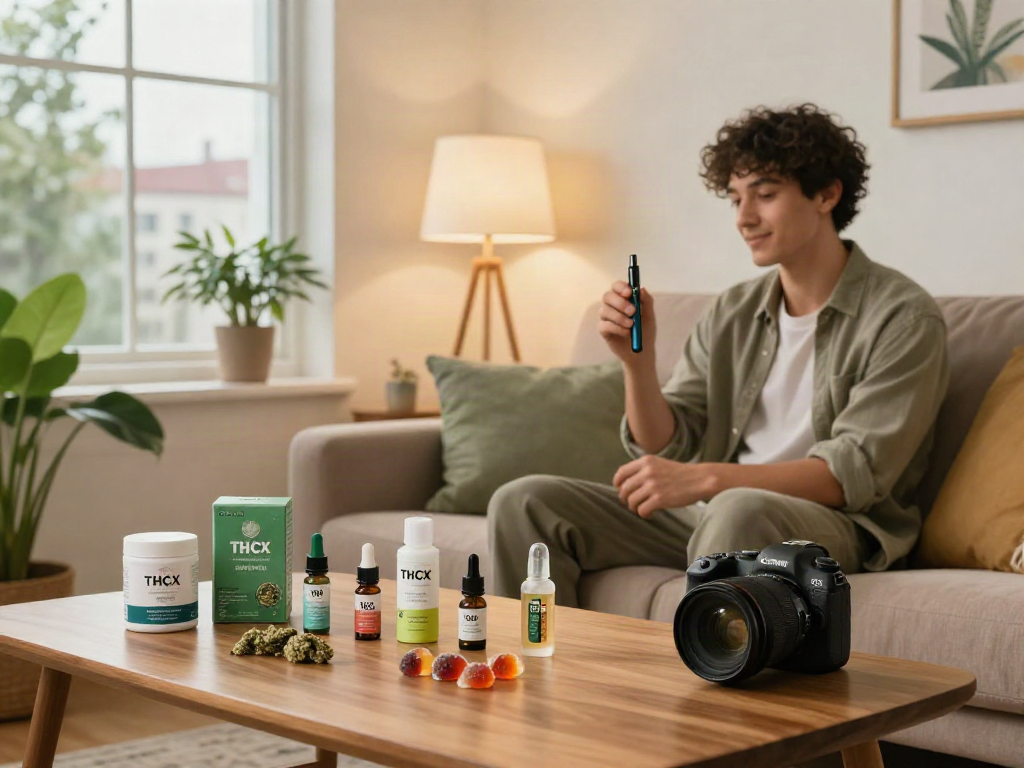
With a variety of cannabis products available, understanding which type aligns with your needs can be overwhelming. Consumers can choose from oils, edibles, topicals, and vape products, each offering different delivery methods and experiences. The selection is vast, making it essential to select products that prioritize quality and align with individual wellness goals.
Oils, Edibles, and Topicals: What to Choose
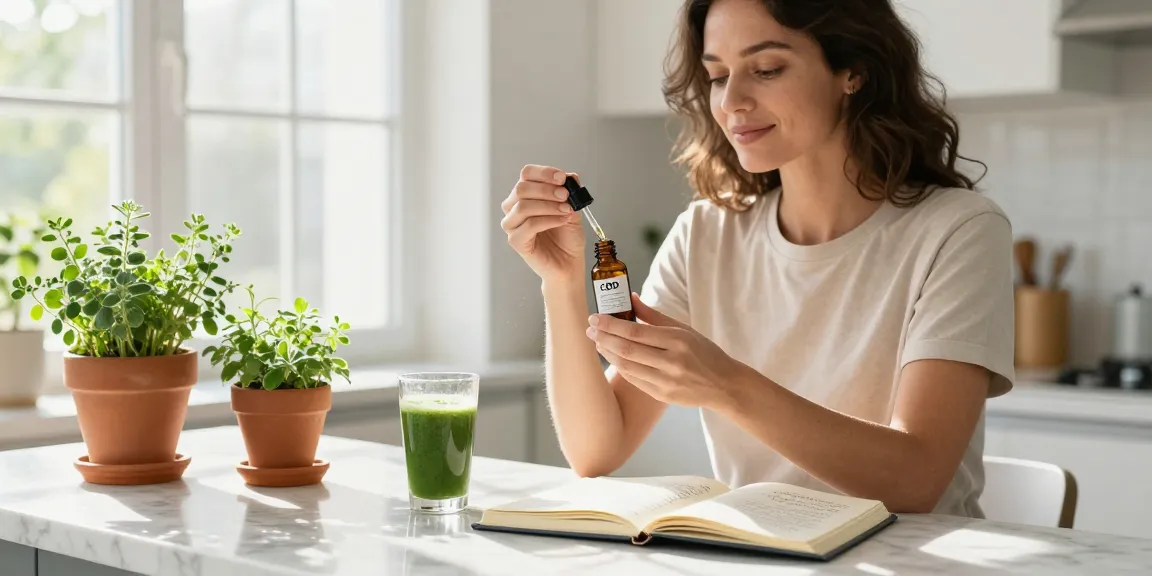
CBD oils and tinctures are a popular choice due to their versatility. They can be consumed sublingually for quick absorption, offering rapid effects within minutes. Edibles, such as gummies or beverages, provide a longer-lasting effect, as they undergo metabolism before entering the bloodstream. Topicals, on the other hand, are designed for localized relief, allowing cannabinoids to penetrate the skin and target specific areas without entering the bloodstream. Each of these product types caters to different preferences and therapeutic needs.
Vaping vs. Smoking: Healthier Alternatives
Both vaping and smoking are common methods of consuming cannabis; however, vaping is often considered a healthier alternative. When vaping, liquid cannabis oil is heated without combustion, minimizing harmful byproducts such as tar and other toxins found in smoke. This method allows for optimal absorption of cannabinoids through the lungs, providing quicker onset times compared to edibles or oils. Additionally, advanced vaping devices permit adjustments in temperature and wattage, enhancing the overall experience.
Understanding Full-Spectrum vs. CBD Isolate
Full-spectrum products contain a wide range of cannabinoids, including trace amounts of THC, terpenes, and other compounds naturally occurring in the cannabis plant. This creates the "entourage effect," where the various components work synergistically to enhance therapeutic benefits. Conversely, CBD isolate is a pure form of CBD, offering high concentrations without THC or other cannabinoids. For individuals wishing to avoid THC, isolates can be a viable option, while full-spectrum products may provide encompassing benefits for others.
Establishing Proper Dosage and Usage Guidelines
Determining the correct dosage is essential for effectively utilizing CBD and THC products. Given the variability of individual body chemistry, lifestyle, and the product itself, establishing a personal regimen may require careful evaluation of several factors.
How to Calculate Your Ideal CBD Dose
When starting with CBD, practitioners recommend a "start low and go slow" approach. This involves beginning with a low dose and gradually increasing it over time to observe how your body responds. A common starting point for CBD is typically around 5 to 10 mg per day, particularly for anxiety or mild discomfort. After a week or two, individuals can adjust their dosage to find optimal levels that comfortably manage their symptoms.
Integrating CBD into Your Daily Routine
Incorporating CBD into daily wellness routines can be seamless. Many consumers choose to take CBD during the morning to start their day with a sense of calm or before bed for improved sleep quality. Tailoring the timing of administration to individual preference can enhance its benefits and help achieve desired results.
Methods of Administration: Sublingual and Topical
The method of administration significantly influences the speed and intensity of CBD's effects. Sublingual products, such as oils, tend to offer faster therapeutic responses, as cannabinoids are absorbed directly into the bloodstream. Topicals, while slower to take effect, deliver targeted relief directly to the location of discomfort without systemic absorption. Understanding the differences will enable consumers to select methods that best suit their needs.
Quality and Safety Standards in the Cannabis Industry
The cannabis industry is governed by varying regulations and standards that ensure product safety and efficacy. For consumers, being informed about these standards is crucial in making educated purchases and safeguarding health.
Importance of Third-Party Lab Testing
To ensure quality and transparency, reputable cannabis brands undergo third-party lab testing. This process examines product potency, cannabinoid profile, and the presence of harmful contaminants such as pesticides, heavy metals, and solvents. Consumers should always look for products with a Certificate of Analysis (COA) to verify compliance and safety.
How to Read a Certificate of Analysis (COA)
A COA provides detailed information regarding the components of the cannabis product. It typically lists cannabinoid concentrations (like CBD, THC), terpenes, and any harmful contaminants covered during testing. By understanding how to read a COA, consumers can ensure they are purchasing safe, effective products that meet their individual needs.
Identifying Quality Cannabis Brands
When selecting a cannabis brand, consumers should consider factors such as industry reputation, ingredient sourcing, and production methods. Brands that adhere to Good Manufacturing Practices (GMP) and boast organic certification typically demonstrate a commitment to quality and purity. Avoid products from companies that lack transparency in their manufacturing processes or do not provide COAs, as this may indicate lower product quality.
Navigating Legalities and Compliance in 2026
The legal landscape surrounding cannabis in the United States continues to evolve. Understanding the regulations and compliance requirements is essential for consumers purchasing cannabis products.
State-by-State Cannabis Legalization Overview
As of 2026, cannabis legalization varies widely from state to state, with some allowing recreational use, others permitting only medical cannabis, and some maintaining total prohibition. Consumers should familiarize themselves with their state's specific laws regarding cannabis possession and usage to avoid legal complications.
Compliance with the 2018 Farm Bill
The 2018 Farm Bill legalized hemp-derived products containing less than 0.3% THC at the federal level. This legislation paved the way for a surge in hemp CBD products entering the market, granting consumers access to legal options for pain relief and wellness. However, state-specific laws may differ, making it crucial for consumers to remain informed.
Guidelines for Purchasing Cannabis Legally Online
When purchasing cannabis products online, consumers should ensure they are buying from licensed dispensaries adhering to local laws. Verifying product quality through COAs and confirming secure payment methods can enhance the safety of online transactions. Consumers should also double-check that their purchases comply with state shipping regulations to avoid legal penalties.
What are the health benefits of CBD?
CBD offers numerous health benefits, including anxiety relief, reduced inflammation, and improved sleep quality. These benefits stem from its interaction with the endocannabinoid system, which helps regulate various body functions and promotes homeostasis.
How do I choose the right cannabis product?
Choosing the right cannabis product depends on individual wellness goals, preferences, and any potential contraindications. Understanding the differences between oils, edibles, topicals, and their respective benefits can help you make an informed decision tailored to your needs.
What is a Certificate of Analysis and how do I read it?
A Certificate of Analysis (COA) is a document that outlines the testing results of a cannabis product. To read it, look for cannabinoid concentrations, terpenes, and results for contaminants like pesticides. Ensuring your product has a verifiable COA is vital for confirmed quality and safety.
Are there side effects associated with CBD?
While CBD is generally well-tolerated, some individuals may experience side effects such as drowsiness, dry mouth, or digestive changes. It’s essential to consult with a healthcare professional, especially if you are taking other medications, to avoid potential interactions.
What is the legal status of cannabis in my state?
The legal status of cannabis varies by state, so it’s important to stay updated on local laws governing possession, sale, and use. Consumers should check state regulations to ensure they comply with laws in their area.
In conclusion, the wellness industry continues to embrace the benefits of CBD and THC, providing consumers with varied options and methods to improve overall health. By understanding the unique characteristics of these cannabinoids, their methods of consumption, and legal considerations, individuals can make informed choices tailor-fitted to their wellness journeys. Remember to consult with healthcare professionals regarding any health questions or specific concerns that may arise during your cannabis journey.