
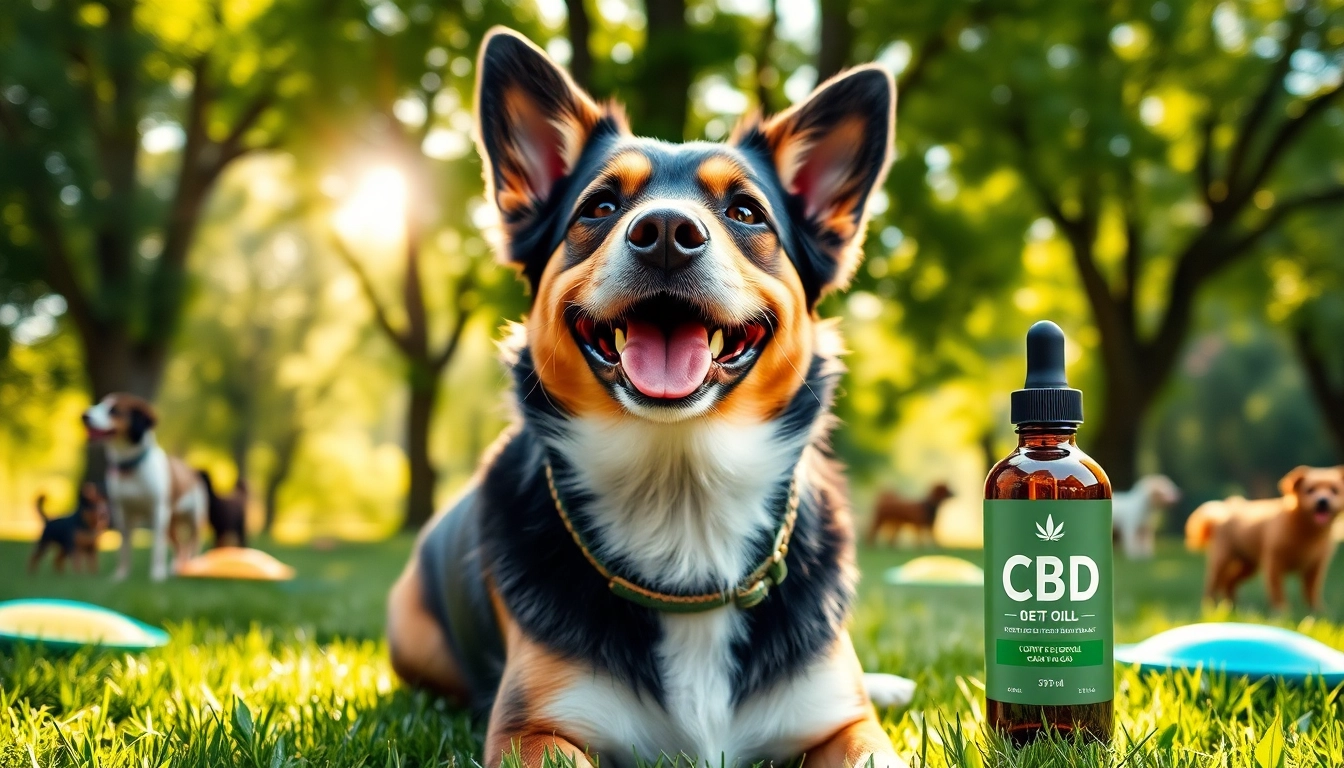
Understanding the Benefits of CBD Oil For Dog
As pet owners, we are always on the lookout for effective solutions to promote our furry friends' health and happiness. One such solution that has gained increasing popularity in recent years is CBD Oil For Dog. This compound, derived from the cannabis plant, has been shown to have numerous potential health benefits for dogs. In this comprehensive guide, we'll explore what CBD oil is, its benefits, how to choose the right product, dosages, potential side effects, and the future landscape of CBD oil for pets.
What is CBD Oil and How Does It Work?
CBD, or cannabidiol, is one of over 100 cannabinoids found in the cannabis plant. Unlike THC, the compound responsible for the psychoactive effects of cannabis, CBD does not produce a "high." Instead, it interacts with the endocannabinoid system (ECS) present in both humans and animals. The ECS plays a crucial role in regulating various body functions such as pain, sleep, and immune response.
When CBD oil is administered to dogs, it binds to cannabinoid receptors in the ECS, potentially promoting balance and health in several physiological functions. This can translate into a variety of health benefits for our canine companions, making CBD oil a topic of increasing interest among pet owners and veterinarians alike.
Health Benefits of CBD Oil For Dog
CBD oil may offer a wide range of health benefits for dogs, supported by anecdotal evidence and emerging research. Here are several key benefits:
- Anxiety Relief: Many dogs experience anxiety due to various factors such as loud noises, separation from their owner, or changes in their environment. CBD oil has shown promise in reducing anxiety symptoms, helping dogs feel more relaxed.
- Joint Pain and Inflammation: Dogs, especially those that are older or have degenerative conditions, often suffer from joint pain and inflammation. CBD oil may help alleviate discomfort associated with arthritis and other inflammatory issues.
- Seizure Management: Studies indicate that CBD may have anticonvulsant properties, potentially aiding in the management of epilepsy and seizure disorders in dogs.
- Improved Appetite: CBD oil is known to stimulate appetite, making it beneficial for dogs that may have a reduced desire to eat due to various health issues.
- Support for Chronic Pain: Chronic pain can significantly affect a dog's quality of life. CBD oil has been shown to help manage this type of pain, providing dogs with relief and improving their overall well-being.
Common Conditions Treated with CBD Oil For Dog
Research and anecdotal evidence suggest that the following conditions may be alleviated by the use of CBD oil:
- Arthritis and joint pain
- Anxiety and stress-related disorders
- Seizures and epilepsy
- Inflammatory bowel disease (IBD)
- Diabetes and other metabolic disorders
Choosing the Right CBD Oil For Dog
With the rising popularity of CBD products, finding the right CBD oil for your dog can be overwhelming. It's critical to consider several factors when making your selection.
Key Factors to Consider When Selecting CBD Oil For Dog
When searching for the best CBD oil for your canine companion, keep the following factors in mind:
- Source of Hemp: Look for products derived from organic hemp, which is less likely to contain harmful chemicals and pesticides.
- Third-Party Testing: Quality assurance is essential. Choose oils that have been tested by independent labs to verify their cannabinoid content and purity.
- Full-Spectrum vs. Isolate: Full-spectrum CBD includes a variety of beneficial cannabinoids and terpenes, which may enhance its effectiveness due to the entourage effect. CBD isolate contains only CBD without these additional compounds.
- Compliance with Regulations: Ensure that the product complies with the legal requirements of your location regarding CBD content.
- Transparency of the Brand: A reputable brand should provide detailed information about their manufacturing processes and lab results.
Full Spectrum vs. Isolate: What’s Best for Your Dog?
As mentioned earlier, CBD products generally come in two forms: full-spectrum and isolate. Full-spectrum CBD oil contains a complete range of cannabinoids, terpenes, and other beneficial plant compounds, while CBD isolate is pure and consists of only cannabidiol.
For dogs, full-spectrum CBD oil may offer more significant benefits due to the entourage effect, where the various compounds work together to enhance each other’s effects. However, some pets may be sensitive to THC. Hence, it's essential to choose a product that is formulated specifically for pets, ensuring it contains negligible amounts of THC (ideally 0.3% or less).
Importance of Third-Party Testing for Quality Assurance
Third-party testing is crucial in the CBD industry to ensure the safety, potency, and purity of the product. Independent laboratories can provide unbiased verification of the product’s cannabinoid profile and ensure that it is free of harmful contaminants such as heavy metals, pesticides, and mold. Always check for a Certificate of Analysis (COA) that verifies these findings before purchasing a CBD oil.
Proper Dosage of CBD Oil For Dog
Getting the dosage right is critical for effective treatment. Factors such as your dog’s size, weight, age, and health condition can influence the necessary dosage.
How to Determine the Right Dosage for Your Dog
When determining the appropriate dosage of CBD oil for your dog, start with the manufacturer’s recommended dosage based on your dog’s weight. A general guideline is 1-5 mg of CBD for every 10 pounds of body weight. For example, a 20-pound dog might start with around 2-10 mg of CBD oil. It's advisable to begin with a lower dose and gradually increase until you see the desired effect.
Signs of Proper Dosage: How to Monitor Your Dog
Monitoring how your dog reacts to CBD oil is essential to determine if the dosage is adequate. Look for signs of alleviation of symptoms such as reduced anxiety, improved mobility, and overall relaxation. Be mindful of any adverse reactions, and consult with your veterinarian if you notice any concerning effects.
Adjustments to Dosage Based on Specific Health Needs
It's important to recognize that each dog is unique, and their response to CBD may vary. Factors such as age, metabolic rate, and overall health can necessitate adjustments in dosage. Work closely with your veterinarian to develop a personalized dosing regimen that meets your dog’s specific health requirements.
Potential Side Effects of CBD Oil For Dog
While many dogs tolerate CBD oil well, some potential side effects may occur. It’s essential to be aware of these when considering CBD for your pet.
Common Side Effects and How to Manage Them
Side effects may include:
- Drowsiness: Some dogs might feel lethargic after taking CBD. If this occurs, consider reducing the dosage.
- Dry Mouth: CBD may decrease saliva production, leading to dry mouth in some dogs. Ensure your dog stays hydrated.
- Diarrhea: Increased dosage beyond the dog’s tolerance might lead to gastrointestinal issues. If this happens, revert to a lower dosage.
If your dog exhibits severe adverse reactions, discontinue use and consult your veterinarian immediately.
Understanding the Risk Factors and Precautions
Not all dogs will respond identically to CBD, and certain breeds may be more sensitive than others. Additionally, if your dog has underlying health conditions or is taking other medications, further consultation with your veterinarian is crucial to avoid interactions.
When to Consult Your Vet About CBD Oil For Dog
Always consult your veterinarian before starting any new supplement, including CBD oil. Discuss your dog's specific health needs, any current medications, and any concerns about potential side effects. Your vet can help you navigate the best approach for introducing CBD oil into your dog’s treatment plan.
The Future of CBD Oil For Dog
The field of veterinary medicine continues to evolve, and the future of CBD oil for dogs looks promising. Increased research and recognition of its potential health benefits are paving the way for greater acceptance within the veterinary community.
Current Research and Findings on CBD Oil For Dog
Ongoing studies are necessary to fully understand the efficacy and safety of CBD oil in dogs. Current research has shown promise in areas like pain management, anxiety reduction, and seizure control. Organizations are conducting studies to gather more robust data on dosing, outcomes, and potential long-term effects, which will ultimately guide pet owners and veterinarians in making informed decisions.
Emerging Trends in the CBD Industry for Pets
As the market for CBD oil for pets grows, we can expect to see trends such as:
- Increased Regulation: With the rise in popularity, more regulation will likely emerge, ensuring product safety and efficacy.
- Advancements in Product Formulations: Expect to see innovations in delivery methods, including treats, capsules, and topical treatments that cater to various preferences and needs.
- Increased Vet Involvement: More veterinarians are likely to become knowledgeable about CBD oil and its applications, leading to more tailored and informed recommendations.
How to Stay Informed About CBD Oil For Dog
Continuing education is key in the advancing landscape of CBD for pets. Pet owners should seek reputable sources of information, including journals, veterinary recommendations, and trusted pet health websites. Engaging in discussions with veterinarians and attending seminars or workshops can provide valuable insights.
In summary, CBD Oil For Dog offers an illustrative example of how natural remedies can contribute to overall animal health. While more research is needed to fully endorse its use, many dog owners report positive experiences, reinforcing the growing interest in this area. As always, consult your veterinarian when considering new treatments for your beloved dog.